
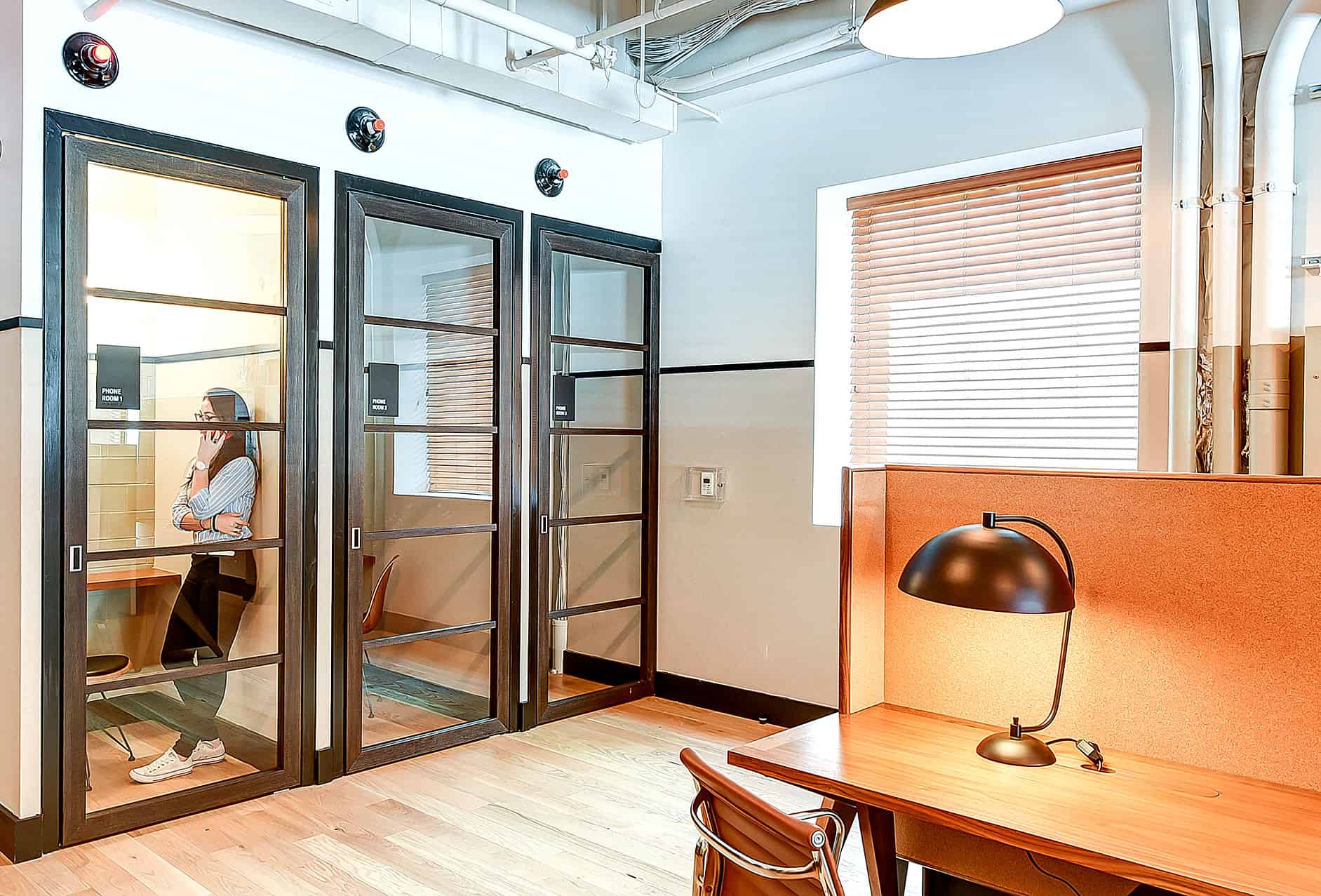
Acoustics

Raydoor systems, while not designed for complete acoustic isolation, are designed to soften the sounds of everyday life.

Lightweight panel systems help reduce the transmission of airborne noise, while maintaining visual connection and natural light. This makes them the ideal solution for flexible living and working environments.

Raydoor strikes the perfect balance between openness and acoustic comfort. Privacy isn’t always about absolute silence, but rather creating spaces that feel more intentional. If you’re looking to achieve a higher STC, we have solutions for that as well.

Raydoor will suit your needs if you’re looking to:

• Soften everyday noise
• Reduce sound transfer while maintaining visual openness
• Minimize distractions
• Improve privacy between adjacent spaces

Solutions We Offer

Gaskets

Raydoor offers a variety of felt and bulb gaskets in different colors to increase the sound buffer of your space division panels.

The gaskets create airtight seals that eliminate the tiny gaps around the door frame. While Raydoors are not complete sound proof solutions, this does help dampen sound and increase privacy.

Acoustic gaskets can improve STC by 5-10 points

Sound Overlays

Additionally, Raydoor offers sound absorbing overlay options. These come in a variety of colors with a simple, textural aesthetic.

The result is an increase of privacy with your panel, while still maintaining the high visual impact of a Raydoor system. Sound Overlays can increase STC from 2-5 points.

Glass

While we love the lightweight benefits of our Acrylic inserts, the density of glass provides a much higher Sound Transmission Class (STC) rating. This means glass is superior in blocking a wider range of noises, especially low frequency sounds.

While Acrylic is less dense, it still can be effective against higher-frequency noises (think everyday speech, light traffic, etc). For deep sound dampening, glass is the better choice.

Hear it for yourself

Designed to soften the sounds of everyday life, we have Raydoors scattered throughout our office that serve a variety of functions.

Featured to the left is one of our division systems. Keeping the door open allows for a nice flow within the office, while closing it comes in handy to dampen the sounds of client calls, meetings or if someone is playing music.

While this door isn’t equipped with the bells and whistles of a sound overlay or felt gasket, this video will give you a better idea of an accurate level of sound dampening on our base system

Discover Sound Overlays

Pebble
Frost
Brick
Pewter

Grab your gaskets

Thunder Felt Gasket
Graphite Felt Gasket
Nutmeg Felt Gasket
White Bulb Gasket
Black Bulb Gasket
White Bulb Gasket (Large)

Gaskets align to reduce sound while remaining concealed between panels. The result is an increase in privacy without having to sacrifice aesthetics.

Acoustic FAQs

What is the extent of sound dampening?

Sound transmission can vary depending on how a panel or system is installed. Our panels dampen sound, however they are not soundproof (no operable walls are). Our 1/4” acrylic/resin cores are comparable to glass of equivalent thickness. We fall approximately between 12 to 20 STC rating. Learn more about our sound testing here.

What options can I add to improve sound reduction?

Raydoor offers the addition of gaskets to reduce sound transmission and felt inserts to absorb sound. Raydoor also offers glass inserts, which are more effective in sound reduction.

What's the difference between soundproofing, sound reduction and sound absorption?

Great question. While all of these terms are frequently used interchangeably, they actually describe different approaches to controlling sound. We wrote up a little article going in to depth on the three, which you can read here.

In short, sound proofing is the process of preventing sound from traveling from one space to another.

Sound reduction speaks to minimizing the amount of sound that passes from space to space.

Finally, sound absorption refers to how sound behaves within a room. Unlike soundproofing or sound reduction, sound absorption doesn’t stop the traveling of sound to adjacent rooms, it instead focuses on the acoustic quality in the room.

Skip to content